
The Tuskegee Syphilis Experiment: Ethical Failures and Lessons for Research Today
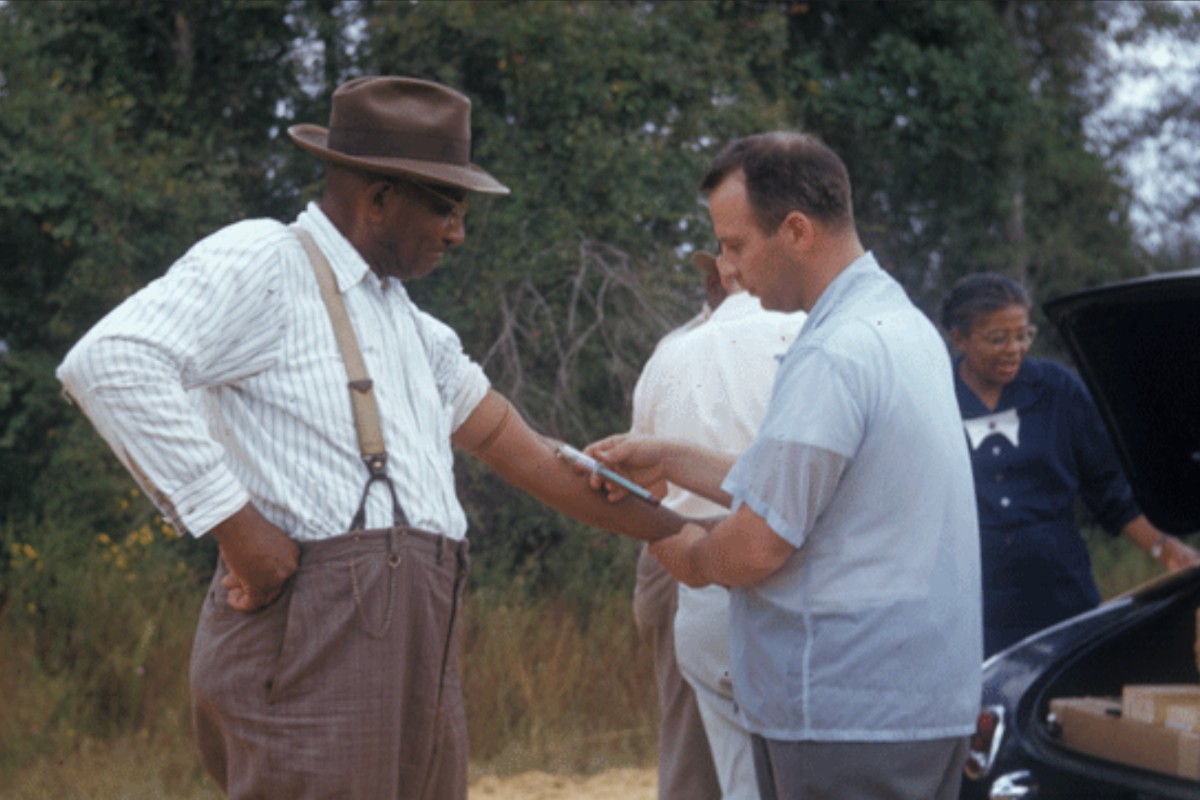
The Tuskegee Syphilis Experiment reveals how unethical research, lack of informed consent, and exploitation of vulnerable populations caused lasting harm and reshaped modern human research ethics.
When people hear the word ethics in research or medicine, it can sound abstract or overly academic. The Tuskegee Syphilis Experiment shows, in a very concrete and human way, what happens when ethics are ignored. It is one of the most important—and disturbing—examples of unethical research in modern history, and it continues to shape how research involving humans is regulated today.
This article explains what happened, why it was unethical, and what lessons it offers for researchers, institutions, and ethics advisors.
The Tuskegee Syphilis Experiment was a study conducted in the United States between 1932 and 1972 by the U.S. Public Health Service. Its stated goal was to observe the natural progression of untreated syphilis in African American men.
Investigators enrolled in the study a total of 600 impoverished, African-American sharecroppes. Of these men, 399 had syphilis, with a control group of 201 men who were not infected. As an incentive for participation in the study, the men were promised free medical care, but were deceived by the PHS, who never informed subjects of their diagnosis, despite the risk of infecting others, and the fact that the disease could lead to blindness, deafness, mental illness, heart disease, bone deterioration, the collapse of the central nervous system, and death. They were told they were being treated for “bad blood,” a vague term used locally to describe various illnesses. In reality, they were not treated at all.
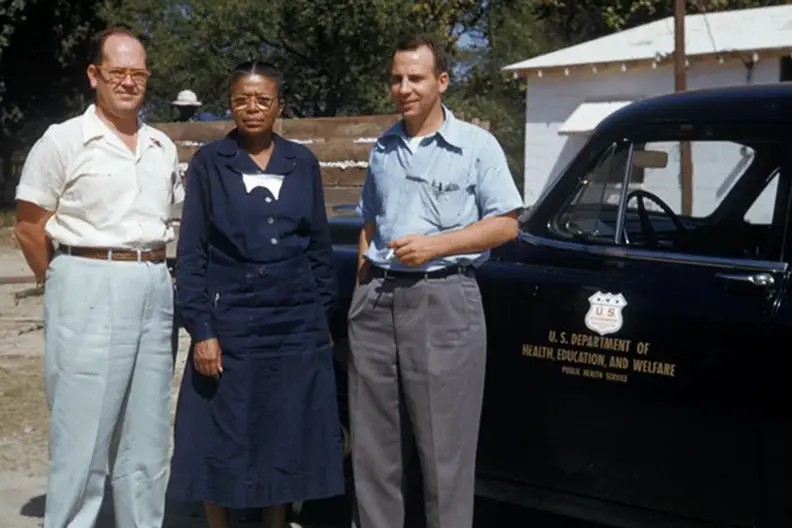
The most serious ethical violations included:
1. Lack of informed consent - The participants did not give informed consent because they were not told they had syphilis, the real purpose of the study and the fact they were part of an experiment. Without honest information, consent is meaningless. This is one of the clearest violations of basic research ethics.
2. Deliberate withholding of effective treatment - By the mid 1940s penicilline became the standard and effective treatment for syphilis. Despite this researchers actively prevented participants from receiving treatment and some men were even stopped from accessing treatment elsewhere. This transformed the study from observation into active harm.
3. Exploitation of a vulnerable population - The study targeted a group that was economically disadvantaged, socially marginalized and subject to racial discrimination. The men were offered small incentives, such as free meals, medical exams, and burial insurance. These benefits exploited their situation rather than protecting them.
4. Long-term harm to participants and families - The consequences were severe: many men suffered or died from untreated syphilis, wives were infected and children were born with congenital syphilis. The harm extended well beyond the original participants.
One of the most troubling aspects of the Tuskegee experiment is how long it lasted. How was that even possible?! The study continued for a number of reasons. First of all, there was no effective independent ethics oversight and researchers prioritized scientific goals over human lives, leading to institutional racism normalizing unethical decisions. Also, whistleblowers were ignored until public exposure in 1972. This shows that unethical research is rarely the result of one bad individual—it is often the result of systemic failure.
In 1966, Peter Buxtun, a PHS venereal-disease investigator sent a letter to the national director of the Division of Venereal Diseases expressing his concerns about the ethics and morality of the extended U.S. Public Health Service Syphilis Study at Tuskegee. He finally went to the press in the early 1970s. The story broke first in the Washington Star on July 25, 1972 and it became front-page news in the New York Times the following day.
As a result of public outcry, the CDC and PHS appointed an ad hoc advisory panel to review the study. The panel found that the men agreed to certain terms of the experiment, such as examination and treatment. However, they were not informed of the study's actual purpose. The panel then determined that the study was medically unjustified and ordered its termination.

In 1974, as part of the settlement of a class action lawsuit filed by the NAACP (National Association for the Advancement of Colored People) on behalf of study participants and their descendants, the U.S. government paid the plaintiffs $10 million ($68 million in 2026) and agreed to provide free medical treatment to surviving participants and surviving family members infected as a consequence of the study. Furthermore, of the National Commission for the Protection of Human Subjects of Biomedical and Behavioral Research was established and The Belmont Report was written in 1979. Its purpose is to protect people who take part in research, provide ethical guidance to researchers and institutions and establish clear principles for ethical decision-making in human research.President Bill Clinton formally apologized on behalf of the U.S. government in 1997.
Why should we still talk about Tuskegee study? Tuskegee is not just a historical case. It is a warning. It reminds us that scientific goals never justify harming people and that vulnerable groups require extra protection, not fewer safeguards. Moreover, it teaches us that ethical review must be independent, ongoing, and empowered.
It shows that ethics is not about paperwork or formal approval—it is about respecting human dignity at every stage of research. For ethics advisors, policymakers, and researchers alike, Tuskegee remains a powerful reminder that ethical failure is not just a risk of the past, but a responsibility of the present.