
Ethics Monitoring in Horizon Europe Projects: Ensuring Responsible Research
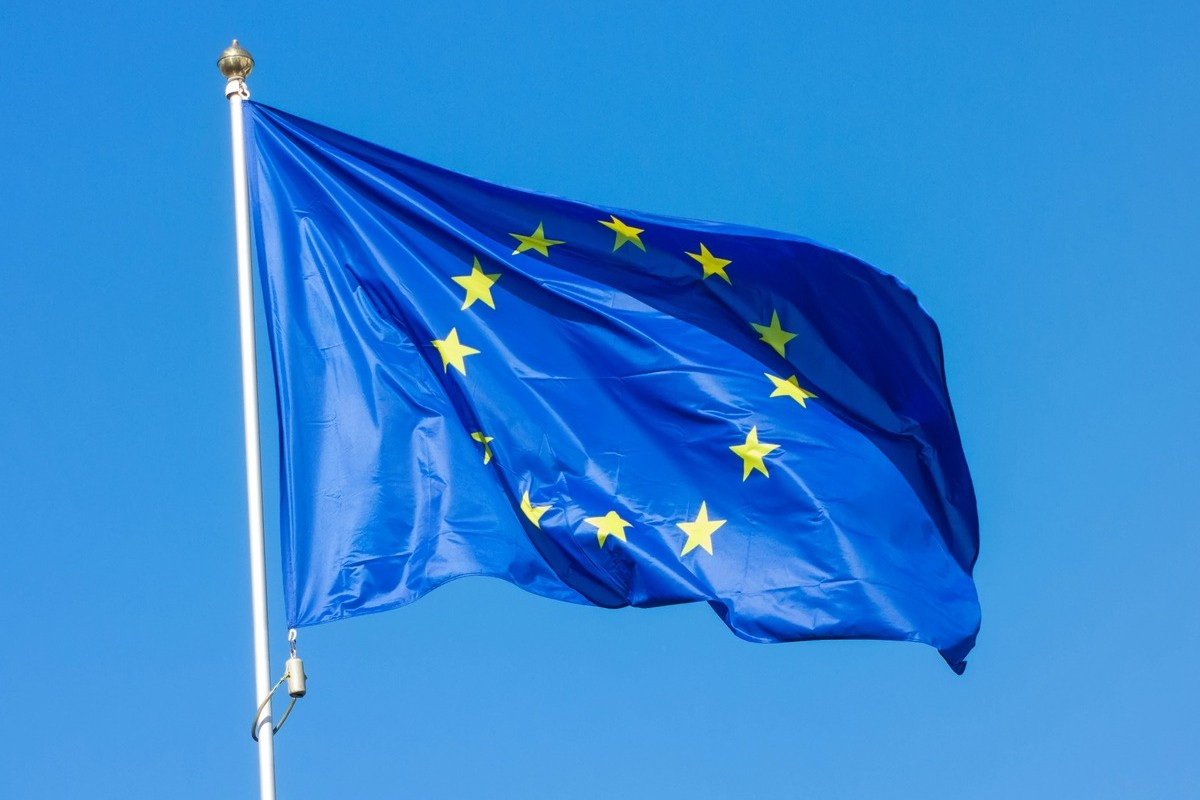
Ethics monitoring ensures that Horizon Europe projects follow ethical standards throughout their implementation. Continuous oversight helps protect participants, ensures legal compliance, and supports responsible R & I
Research and innovation projects funded under Horizon Europe, the European Union’s main research and innovation programme, are expected to meet high ethical standards. But ethics is not only something addressed during the proposal stage. It must be monitored throughout the entire project to ensure that activities remain responsible, safe, and respectful toward people, society, and the environment.
What Is Ethics Monitoring?
Ethics monitoring means continuously reviewing project activities to make sure they follow ethical requirements and commitments. Many projects involve sensitive issues such as personal data, work with human participants, environmental impacts, or the use of emerging technologies like artificial intelligence. Monitoring helps ensure that these activities remain compliant with ethical rules and relevant regulations.
In European Commission funded projects, ethics monitoring can involve regular internal checks, documentation of ethical procedures, and updates on how ethical requirements are implemented in practice. It ensures that commitments made during the proposal stage are actually followed during the project.

The Role of Ethics Advisors
Many Horizon Europe projects appoint an ethics advisor or establish an ethics advisory board. Their role is to help the consortium identify potential ethical risks, provide guidance on responsible research practices, and review whether the project follows ethical and legal obligations.
For example, an ethics advisor may review procedures for informed consent when participants are involved, assess how personal data are protected, or advise on responsible use of new technologies. They can also help partners understand complex regulatory frameworks such as the General Data Protection Regulation.
Why Ongoing Monitoring Is Important
Ethical challenges do not always appear at the beginning of a project. They may arise later as technologies evolve, data are collected, or new stakeholders become involved. Continuous monitoring helps detect issues early and allows the project team to address them before they become serious problems.
Ethics monitoring also helps build trust. When researchers demonstrate that ethical issues are taken seriously throughout the project, it reassures participants, stakeholders, and the wider public that research is being conducted responsibly.
In Horizon Europe projects, ethics is not a one-time checklist. It is an ongoing process that supports responsible research and innovation. Through regular monitoring and expert guidance, projects can ensure that scientific progress goes hand in hand with respect for human rights, societal values, and environmental sustainability.
We’re here to help
My Ethics Advisor Team has more than a decade of experience in ethics monitoring of various research and innovation projects. If you are unsure whether your project requires an independent ethics advisor, do not hesitate to reach out. We can help you understand your obligations and ensure that ethical considerations are addressed from the start.