
Ethics in Living Labs: Responsibilities Toward Farmers in Research and Innovation
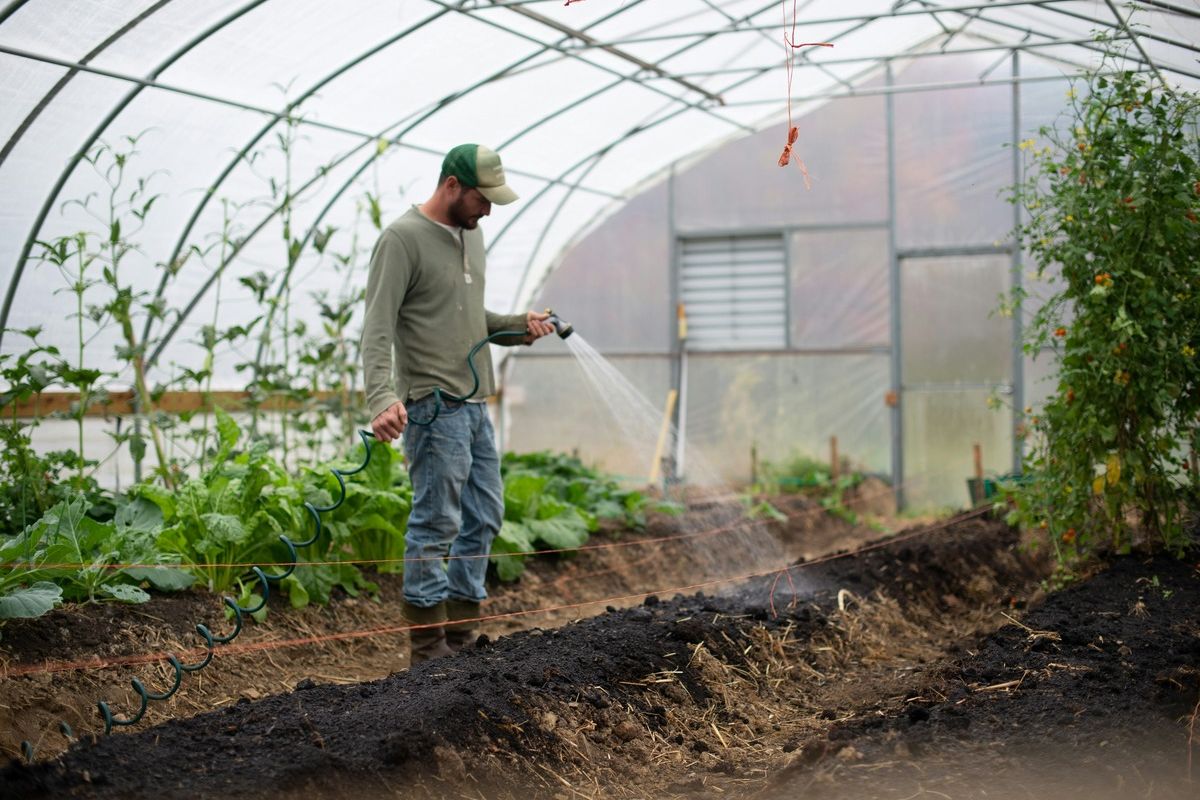
Living Labs involve farmers as partners in agricultural innovation. Ethical practice requires transparency, fair distribution of benefits and risks, responsible data use, and respect for farmers’ knowledge and livelihoods.
Living Labs are increasingly used in research and innovation projects, especially in fields such as agriculture, sustainability, and climate adaptation. They create real-world environments where researchers, companies, and stakeholders work together to test new ideas, technologies, and practices. When farmers participate in Living Labs, they become more than just research subjects—they become active partners in innovation.
However, this collaboration also raises important ethical responsibilities. Farmers invest their time, knowledge, land, and resources in these projects. Ensuring that their rights, interests, and livelihoods are protected is essential for responsible research and long-term trust.
What Are Living Labs?
Living Labs are collaborative environments where innovation is developed and tested in real-life settings. In agriculture, this often means working directly with farmers on their fields to evaluate new farming practices, digital tools, crop management strategies, or climate solutions.
The idea is simple: instead of testing innovations only in controlled laboratory settings, researchers work together with those who will actually use them. This approach improves the relevance and practical value of research.
But because Living Labs operate in real-world environments and involve real livelihoods, ethical considerations become especially important.

Recognizing Farmers as Research Partners
One of the key ethical principles in Living Labs is recognizing farmers as partners rather than experimental subjects. Farmers bring valuable expertise about local ecosystems, soil conditions, climate challenges, and farming practices. Ethical Living Lab projects acknowledge this knowledge and ensure that farmers are involved in decision-making processes.
This means including farmers in the design of experiments and activities, respecting their practical knowledge and experience, as well as ensuring that their perspectives influence project outcomes.
When farmers are treated as genuine collaborators, projects become not only more ethical but also more effective.
Fair Distribution of Benefits and Burdens
Participating in a Living Lab often requires farmers to dedicate land, time, and labour. They may also face certain risks when testing new practices or technologies. An important ethical responsibility is ensuring that the benefits and burdens of participation are distributed fairly.
This includes providing appropriate compensation when participation requires additional work, ensuring that farmers benefit from the knowledge generated, and avoiding situations where farmers bear disproportionate risks.
Transparency and Informed Participation
Farmers should clearly understand what participation in a Living Lab involves. Ethical practice requires transparent communication about project goals, potential risks, expected benefits, and how collected data will be used.
Informed participation means farmers should have the opportunity to ask questions about the project, understand what data will be collected and how it will be used, decide freely whether they want to participate and withdraw from the project if they choose.
Clear and open communication helps build trust between researchers and farming communities.
Responsible Data Management
Many agricultural Living Labs collect large amounts of data, including information about soil quality, crop yields, farming practices, and environmental conditions. Increasingly, digital tools and sensors are also used. This raises important questions about data ownership, privacy, and access.
Ethically responsible projects should ensure that farmers are informed what data is being collected, data is stored and used securely, farmers retain appropriate rights over data generated on their farms, and that data is not used for purposes beyond what was agreed upon.
Avoiding Power Imbalances
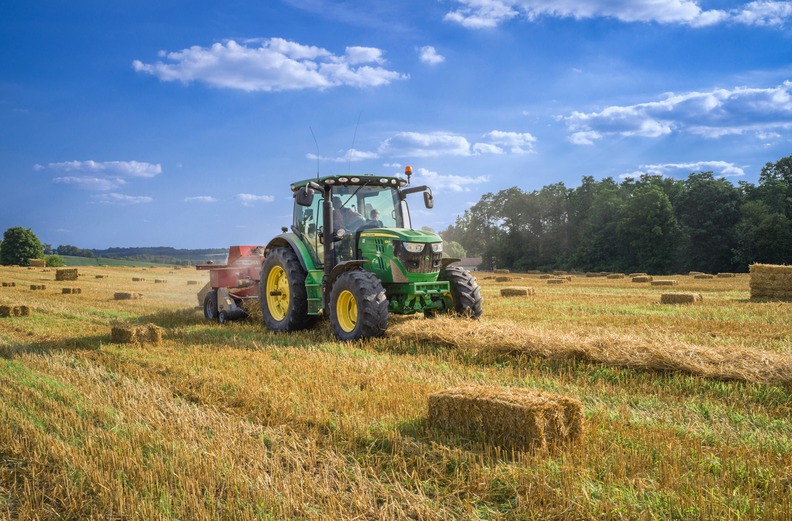
Living Lab projects often involve universities, research institutes, technology companies, and funding organizations. These actors may have more institutional power and resources than individual farmers.
Ethical Living Labs must actively work to prevent power imbalances from undermining fair collaboration. Farmers should feel comfortable sharing concerns, questioning decisions, and influencing project activities.
Creating inclusive decision-making processes and ensuring that farmers’ voices are heard are key elements of responsible Living Lab governance.
Long-Term Relationships and Trust
Ethical responsibilities do not end when a research project finishes. Farmers often invest several years in Living Lab collaborations, and the outcomes can influence their future farming practices.
Responsible projects aim to build long-term relationships based on trust and mutual respect. This includes sharing results with participants, acknowledging their contributions, and ensuring that knowledge generated in the project remains accessible to the farming community.
Trust is one of the most valuable outcomes a Living Lab can produce.
LLs offer a powerful model for developing agricultural innovations that are practical, collaborative, and grounded in real-world conditions. However, their success depends not only on scientific results but also on ethical responsibility.
Farmers who participate in LLs contribute knowledge, land, and effort to the innovation process. Respecting their rights, ensuring fair participation, protecting their data, and recognizing their expertise are essential principles of ethical LLs practice.
When these responsibilities are taken seriously, Living Labs can become spaces of genuine collaboration—where innovation benefits both research and the farming communities that make it possible.