Secondary Use of Biological Samples: Ethical Boundaries Every Horizon Europe Project Should Consider
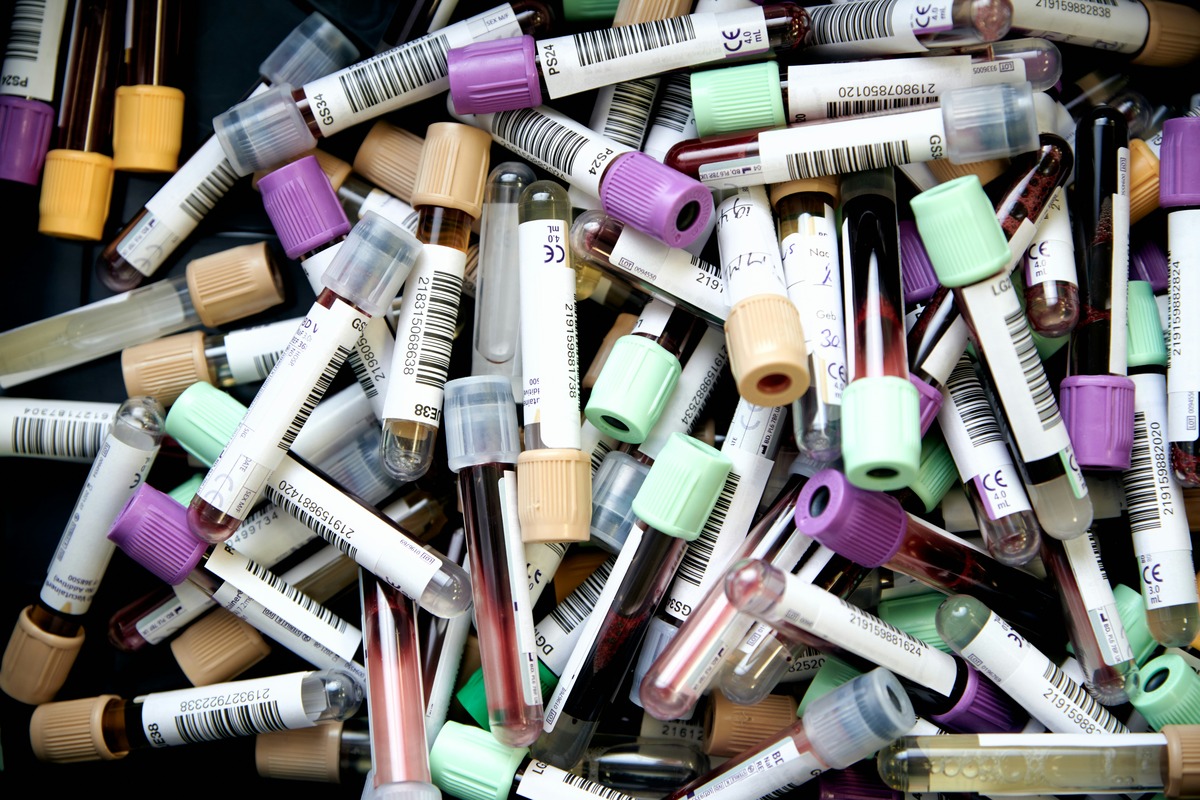
Secondary use of biological samples offers major research benefits but raises important ethical challenges. Horizon Europe projects must ensure informed consent, GDPR compliance, privacy protection, and responsible governance to safeguard participants' rights.
Biological samples are incredibly valuable for research. A blood sample collected today to study diabetes may, in a few years, help researchers investigate cancer, Alzheimer's disease, or even develop new artificial intelligence tools for medical diagnostics. This possibility makes secondary use of biological samples one of the most important—and often misunderstood—ethical issues in research.
As an Ethics Advisor for EU-funded research projects, I often see researchers focusing on the scientific opportunities while underestimating the ethical questions that come later. Yet, these questions are exactly what determine whether valuable research can proceed without compromising participants' rights.
The first question is rather simple: Did participants actually agree to this new use?
A participant may have willingly donated a blood sample for one specific study. Using that same sample for a completely different purpose is not automatically justified simply because the sample already exists. In Horizon Europe projects, ethics reviewers pay close attention to whether the planned secondary use is covered by the original informed consent or whether additional consent—or another lawful ethical basis—is required.
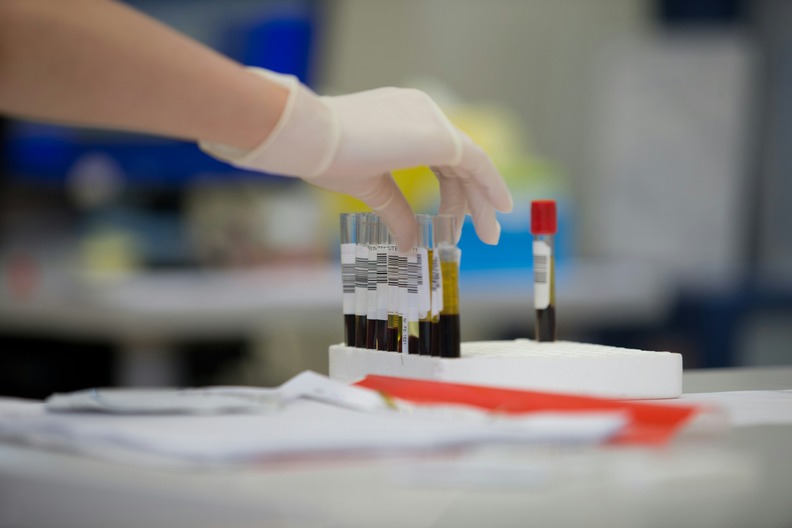
Another challenge is that science evolves much faster than consent forms. Researchers often discover new questions years after samples have been collected. Broad consent can offer some flexibility, but it is not a blank cheque. Participants should still have a clear understanding of how their samples may be used, who may access them, how long they will be stored, and whether they can withdraw their consent.
Privacy is another critical consideration. Biological samples are rarely just biological material—they often come with clinical information, genetic data, demographic details, or lifestyle information. Even when samples are coded or pseudonymised, researchers must carefully assess the risk of re-identification and ensure that appropriate safeguards are in place.
International collaboration adds another layer of complexity. Many Horizon Europe projects involve partners from several countries, sometimes including non-EU institutions. Sharing biological samples across borders requires careful attention not only to ethics but also to GDPR requirements, data transfer rules, and national legislation governing human biological materials.
From my experience, projects that address these questions early rarely encounter major ethics difficulties later. Ethics should not be viewed as an obstacle to research but as a framework that helps ensure scientific results are trustworthy and socially acceptable. Transparent governance, clear participant information, and responsible management of biological samples strengthen both the quality of the research and public confidence in science.
Secondary use of biological samples has enormous potential to advance medicine and public health. The challenge is not whether we should use these valuable resources—it is ensuring that we do so with respect for the individuals who made that research possible.